
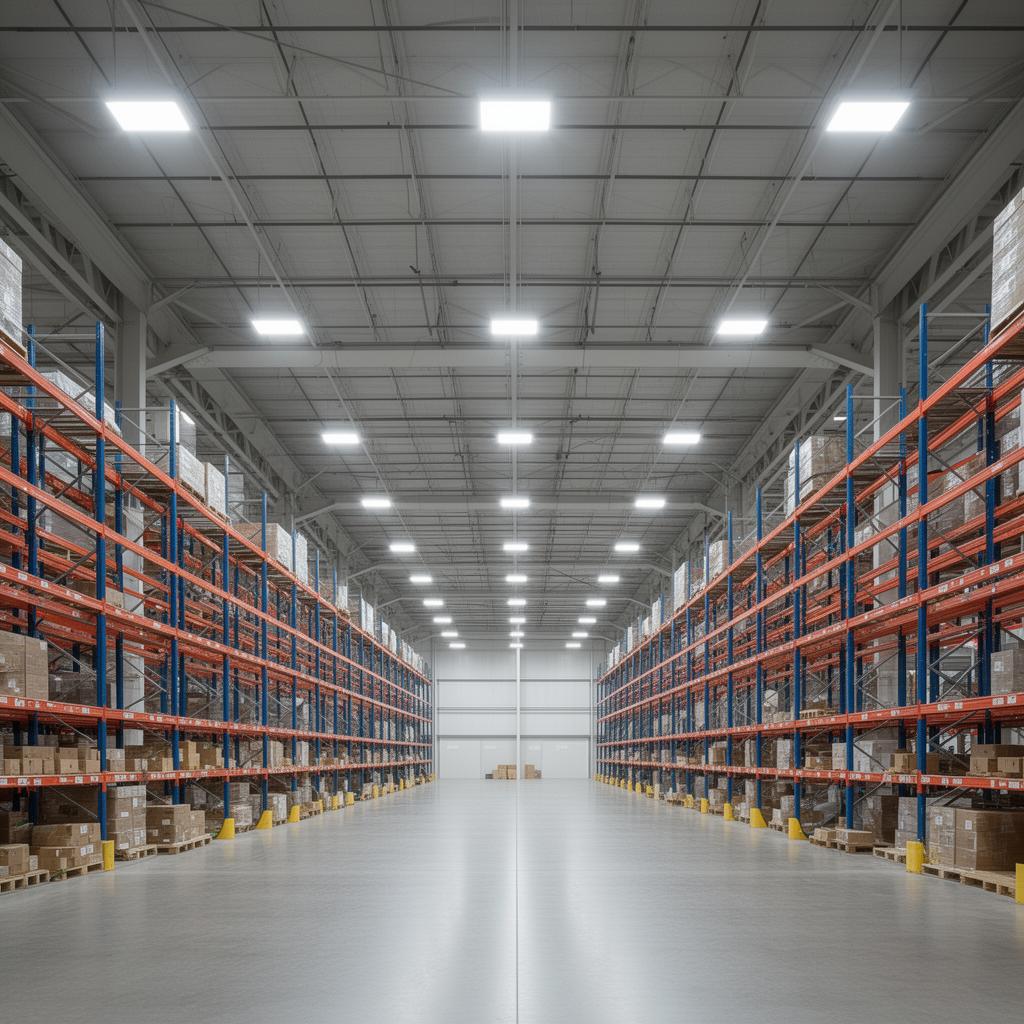
New Construction Incentives
New construction rebates are won or lost in design development — months before the first shovel.
Every utility in Michigan publishes a new construction incentive program, and every one of them requires the application to be filed before construction documents are issued. By the time bid documents go out, the eligibility window is functionally closed: the building's envelope, glazing, HVAC system and lighting design are locked, and the rebate is whatever the as-built happens to qualify for under the prescriptive schedule.
We embed with your architect and MEP engineer at the schematic design phase, run the whole-building energy model the utility expects, and identify the specification changes that move the project into the highest-paying performance-path tier. The cost of those changes is almost always smaller than the incremental rebate they unlock, and the rebate funds the construction draw rather than arriving as a refund eighteen months later.
Why most new construction projects file against the prescriptive schedule and lose.
The prescriptive new construction path pays per fixture, per ton and per piece of equipment installed above code minimum. It is administratively simple, which is why most general contractors default to it. The performance path requires whole-building energy modeling, pre-construction filing and post-occupancy verification — and it pays three to five times more on the same building.
We run both models in parallel during design development and present the project team with a defensible comparison. The performance path almost always wins on net dollars, and the modeling cost is a fraction of the additional rebate it captures. The decision becomes a financial one, not a procedural one.
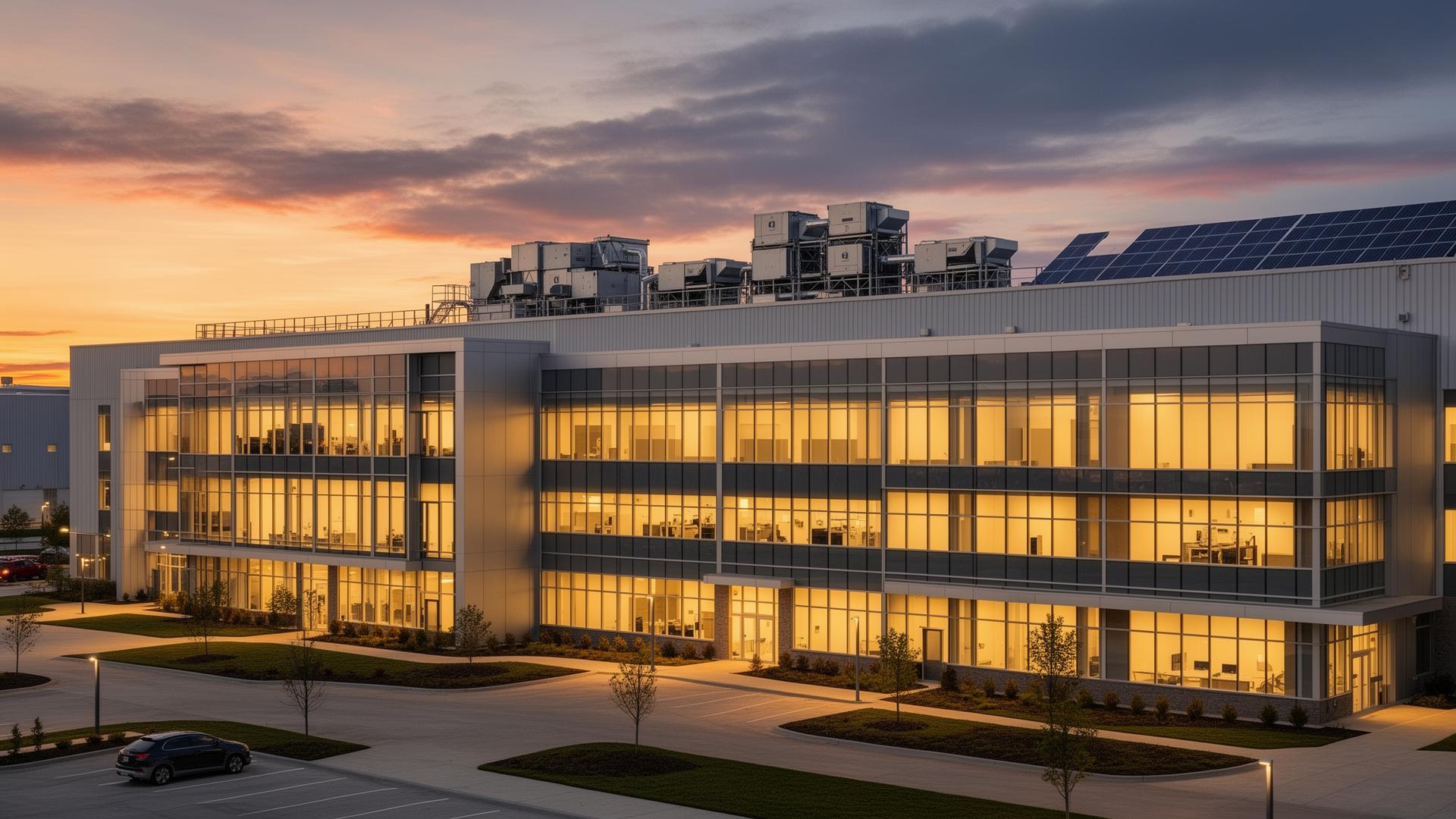
Above-code performance baked in at design — never bolted on at commissioning.

Envelope decisions carry the largest leverage on the energy model and the smallest incremental cost when made early. We work with the architect on insulation R-values, glazing performance, air-barrier continuity and orientation studies that move the modeled performance into the highest payment tier. After permit, these decisions become very expensive to change. Before permit, they often cost nothing.
Mechanical system selection is the second lever. A high-efficiency RTU and VRF combination, a magnetic-bearing chiller plant or a dedicated outdoor air system with energy recovery can each take a building from 10% above baseline to 25% above baseline without changing the architectural program. We model each option against capex, opex and rebate value so the project team can decide on full information.
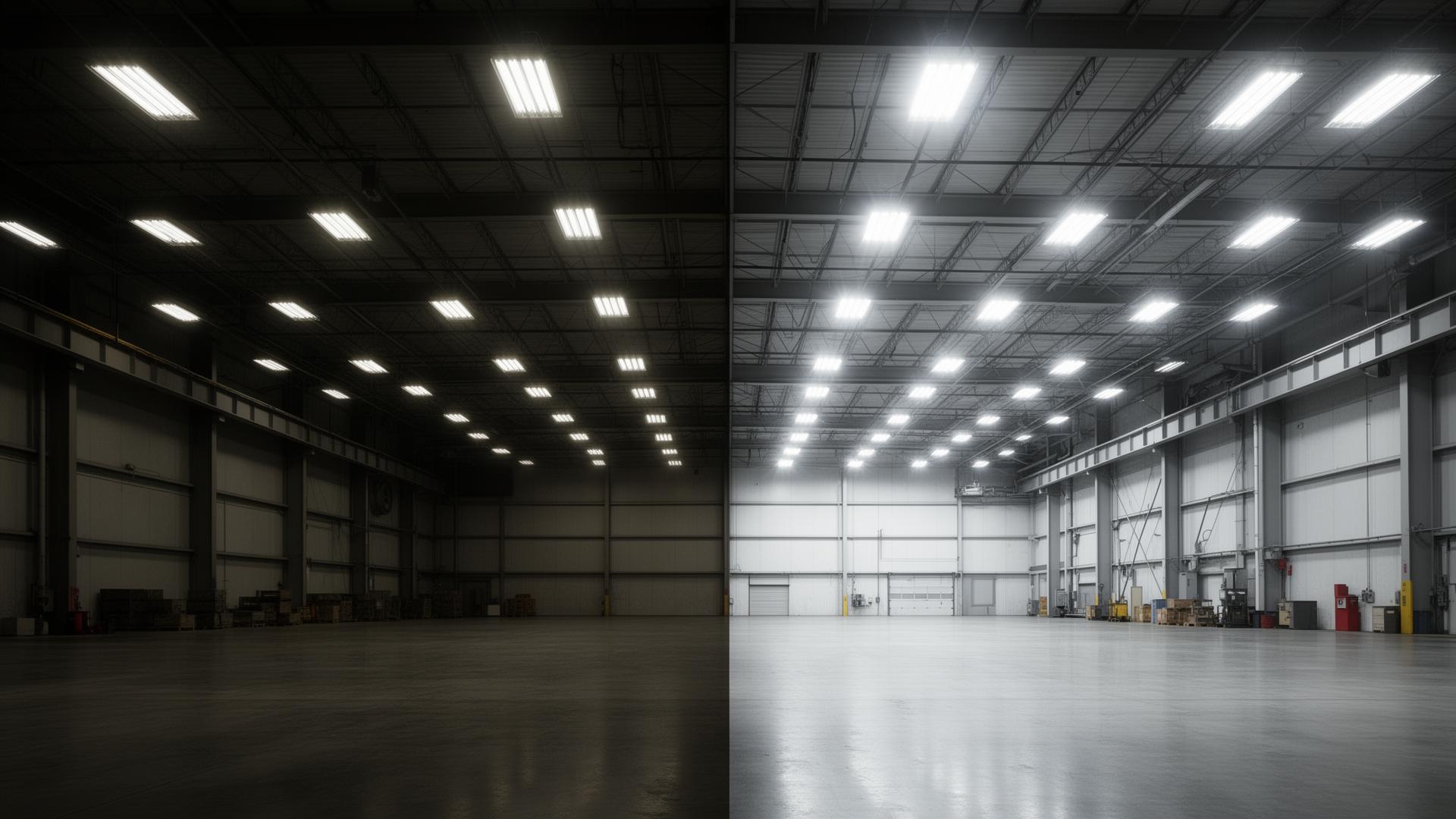
Lighting and controls in new construction qualify for both new-construction performance payments and the standard prescriptive lighting rebates simultaneously. The two programs do not conflict, but they have to be filed in the right order and against the right baseline to avoid one disqualifying the other. We sequence the filings so the project captures both.
Domestic content sourcing, prevailing wage compliance and energy community siting each unlock additional Inflation Reduction Act bonus adders on top of the base utility incentive. We document compliance as the project is built rather than reconstructing it after occupancy, which is the difference between a clean federal claim and a contested one.
The four-layer rebate stack on every above-code new build.
Utility whole-building performance
DTE and Consumers Energy new construction programs pay per square foot for projects exceeding ASHRAE 90.1 baseline, with the largest payments concentrated above 20% modeled improvement. This is the foundation of the rebate stack.
Federal 179D commercial deduction
Up to five dollars per square foot in federal tax deduction for envelope, HVAC and lighting performance above code. The deduction can be allocated to designers and contractors on tax-exempt projects, expanding who benefits from the upgrade.
IRA bonus adders
Domestic content, prevailing wage, apprenticeship and energy community bonuses each layer additional credit value on qualifying projects. Documented during construction, these can double the federal benefit on a single building.
Prescriptive lighting and controls
Standard per-fixture lighting rebates and controls bonuses file in parallel with the whole-building application, captured against the same equipment without disqualifying either program.
A four-stage engagement embedded with your design and construction team.

Design integration
Joining the team at SD or DD phase to align spec with rebate criteria.
Energy modeling
Whole-building model demonstrating above-code performance.
Pre-construction filing
All utility applications locked before permit issuance.
Commissioning & payment
Cx report, post-occupancy verification and rebate disbursement.
Whole-building new construction incentive plus 179D deduction on a ground-up DTE-territory project.
Other rebate programs we run end to end.

Ready to model new construction rebates for your facility?
Free, no-obligation assessment. We’ll surface every program your project qualifies for within 24 hours.