

HVAC System Upgrades
The largest custom-incentive category in Michigan — and the one most mechanical contractors won't underwrite.
An HVAC replacement is rarely a like-for-like swap on paper. Utility custom programs reward measured kWh reduction against a code-baseline model, and that model has to be built, defended and pre-approved before a single piece of equipment is procured. When the modeling step is skipped, the project still gets done — but the rebate that would have funded a third of the capex quietly disappears.
We embed with your mechanical engineer at the design stage, build the eQUEST or DOE-2 model the utility expects to see, and submit the custom application before the order goes in. Every chiller, RTU, boiler and VFD on the scope is sized for performance and for incentive at the same time, with the program eligibility threshold sitting in the spec, not as an afterthought.
Why HVAC rebates collapse the moment design becomes procurement.
Most mechanical scopes are priced and ordered before anyone has modeled the kWh delta against ASHRAE 90.1. By the time a rebate consultant is engaged, the equipment is on the truck and the only program left to file against is the prescriptive per-ton schedule — which pays a fraction of what the custom application would have returned.
We solve this by inserting the rebate analysis where it belongs: at design development. Your equipment selection then carries pre-approval the day it is ordered, and the custom incentive arrives within 60 days of commissioning rather than getting written off as a missed opportunity.

Equipment chosen for performance and for incentive — together, not in sequence.
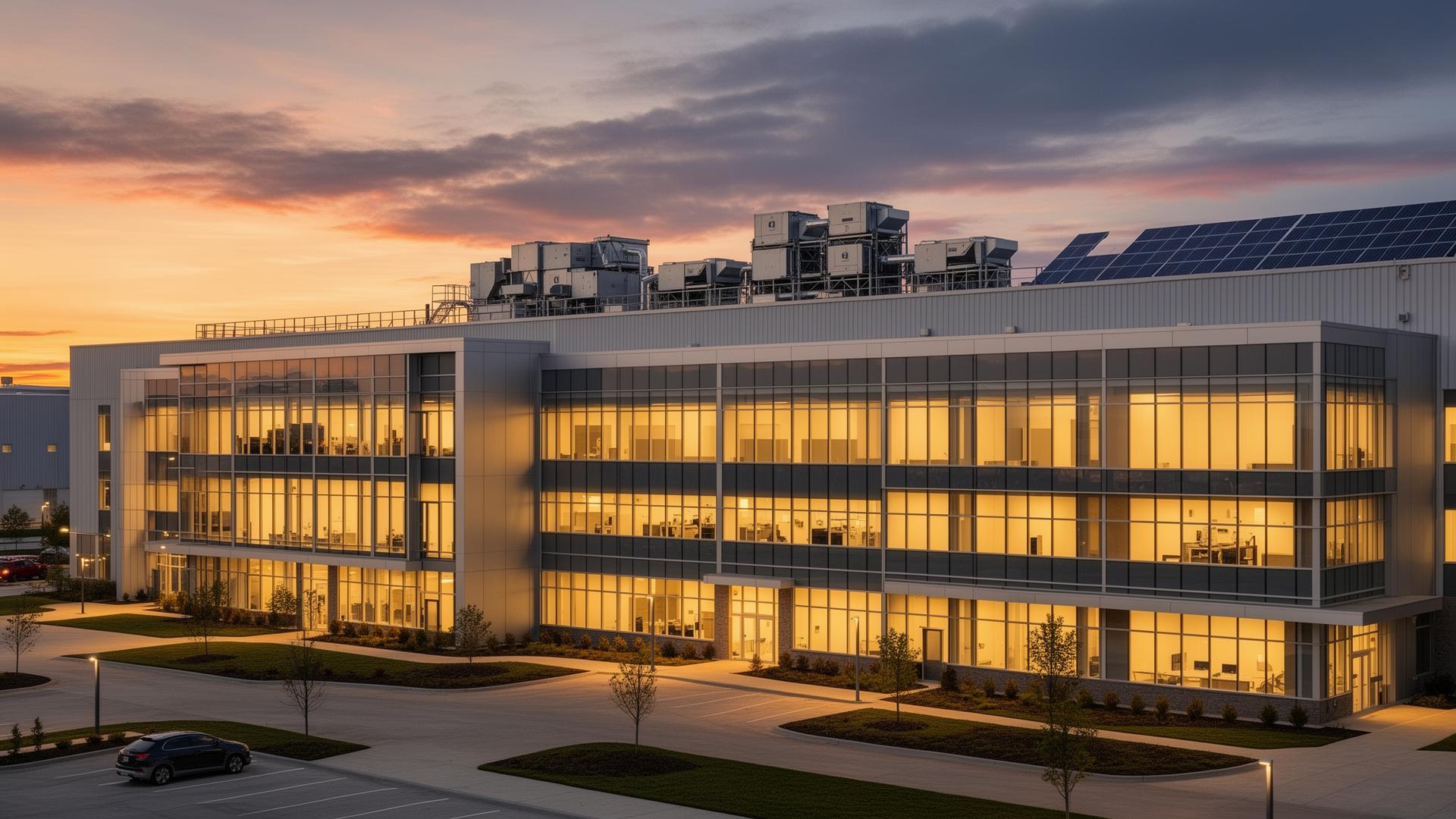
On rooftop unit replacements, we specify high-efficiency packaged units with integrated economizers and variable-speed compressors that meet the controls bonus tier of the utility program. The same equipment that satisfies your facilities team also lands the project inside the highest per-ton custom rebate bracket DTE and Consumers publish, which is rarely true of a code-minimum like-for-like.
On chiller plant projects, we model magnetic-bearing centrifugals, oil-free units and modular plant configurations against the building's actual load profile rather than against rated capacity. This is what produces the 25–30% above-baseline performance the custom program needs to see, and it is also what makes the incentive large enough to materially reduce the financed capex.
Variable frequency drives are the most under-claimed rebate in mechanical construction. Every motor over 5 HP that runs more than 2,000 hours a year is a candidate, and the prescriptive per-horsepower payment stacks on top of any custom plant incentive without conflict. We inventory the entire motor population during the audit and bundle the VFDs into the same submission package.
Where it makes sense, we extend the scope into dedicated outdoor air systems, energy recovery wheels and demand-controlled ventilation. Each of these carries its own incentive and contributes to the whole-building energy model, which means the dollar value of the rebate compounds rather than competing with itself across separate applications.
The four-layer rebate stack we file for almost every HVAC project.
Custom kWh-modeled incentives
DTE and Consumers Energy custom programs pay against an engineered energy model demonstrating performance above ASHRAE 90.1. This is the largest single payment on most chiller, boiler and central plant projects, and it requires pre-approval before the equipment ships.
Prescriptive per-ton and per-horsepower
RTU swaps, split systems and motor replacements carry per-ton and per-HP rebates that stack cleanly on top of the custom incentive. Filed correctly, these prescriptive payments often cover the entire engineering and consulting fee on the engagement.
Michigan Saves financing layered in
Below-market financing programs underwrite the post-rebate balance of the project at terms most equipment lessors cannot match. We coordinate the application so the financing closes alongside utility pre-approval rather than becoming a separate procurement workstream.
Federal IRA §179D and §48 credits
Whole-building HVAC efficiency upgrades qualify for the Section 179D deduction up to five dollars per square foot, with additional bonus adders under the Inflation Reduction Act. We coordinate with your tax counsel so the federal benefit lands cleanly alongside the utility rebate.
A four-stage engagement that owns the project from audit to commissioning.

Mechanical audit
Equipment inventory, runtime logging and load profile capture.
Energy model
eQUEST or DOE-2 model demonstrating above-baseline savings.
Custom application
Engineering submission, M&V plan and utility pre-approval.
Commissioning & payment
Post-install verification and rebate disbursement to your account.
Three chiller plant replacements modeled at 28% above ASHRAE 90.1 baseline. Custom incentive plus prescriptive VFD rebates stacked.
Other rebate programs we run end to end.

Ready to model hvac upgrades rebates for your facility?
Free, no-obligation assessment. We’ll surface every program your project qualifies for within 24 hours.